Mazda CX-3 Insurance Cost in Alaska
Insuring a Mazda CX-3 in Alaska costs about $1,120 a year ($93/month) for full coverage by our estimate — −13% versus the same car nationally — the 26th cheapest of 51 states for this model.
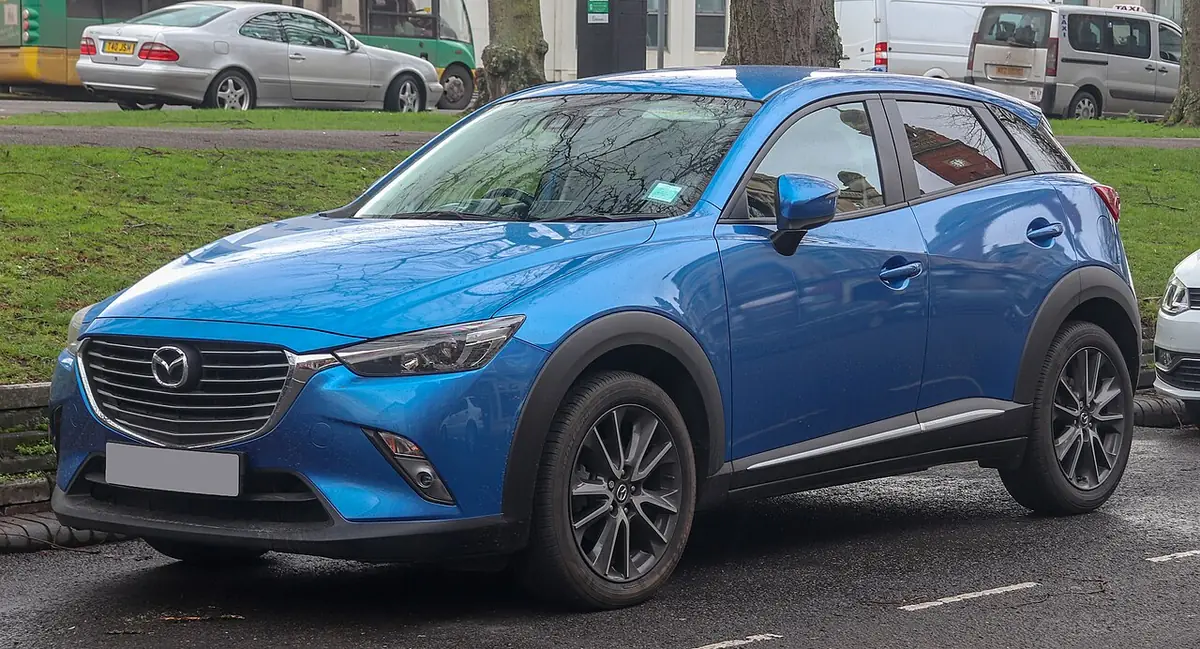
Mazda CX-3 insurance in Alaska at a glance
The Mazda CX-3 is 19% cheaper than the average vehicle to insure in Alaska. Alaska's own base rates are 13% lower than the national average, which carries through to every model.
Alaska factors that affect CX-3 premiums
- Uninsured drivers: 12.5% of Alaska drivers are uninsured (U.S. 15.4%), which raises the value of uninsured motorist coverage for your CX-3.
- Theft: 279 vehicle thefts per 100,000 residents (U.S. 197).
- Weather: FEMA rates Alaska's expected annual losses as very low for hail, very low for tornado, not rated for hurricane, very low for inland (river) flooding, very low for strong wind — hail, wind and flood claims fall under comprehensive.
- Crash risk: 1.27 traffic deaths per 100 million miles (U.S. 1.19).
- Fault system: At-fault (tort).
Mazda CX-3 insurance cost in Alaska cities
Mazda CX-3 insurance in Alaska by driver
| Driver | Minimum | Standard | Full coverage | Full / month |
|---|---|---|---|---|
| Teen driver (18, own policy) | $1,580 | $1,910 | $3,075 | $256 |
| Young adult (22) | $920 | $1,110 | $1,790 | $149 |
| Adult in their 30s | $575 | $695 | $1,120 | $93 |
| Adult in their 50s | $530 | $640 | $1,030 | $86 |
| Senior (72) | $645 | $780 | $1,255 | $105 |
| 30s, one at-fault accident | $835 | $1,005 | $1,620 | $135 |
| 30s, DUI on record | $1,065 | $1,285 | $2,070 | $173 |
Coverage levels
| Coverage level | What it includes | Per year | Per month | Typical range |
|---|---|---|---|---|
| State minimum liability | Only the liability (and PIP/UM where required) limits your state mandates. No coverage for your own car. | $575 | $48 | $470–$680 |
| Standard liability (100/300/100) | Higher liability limits plus uninsured motorist coverage. Still no coverage for damage to your own car. | $695 | $58 | $570–$820 |
| Full coverage | Standard liability plus collision and comprehensive, typically required on a financed or leased car. | $1,120 | $93 | $915–$1,320 |
Alaska minimum: 50/100/25 liability coverage. Lenders require collision and comprehensive on financed or leased cars.
Rivals in Alaska
| Model | Full coverage in AK | vs. CX-3 |
|---|---|---|
| Honda CR-V | $1,045 | −7% |
| Nissan Juke | $1,295 | +16% |
| Fiat 500X | $1,295 | +16% |
| Subaru Forester | $1,010 | −10% |
Estimate your CX-3 premium by ZIP code
Runs in your browser — nothing you enter is stored or sent to insurers.
Mazda CX-3 insurance cost in every state · All Mazda models
Frequently asked questions
How much is Mazda CX-3 insurance in Alaska?
About $1,120 a year ($93 a month) for full coverage and $575 for Alaska's minimum liability, for a driver in their 30s with a clean record. That is 13% less than the national estimate for the same car.
Is the Mazda CX-3 cheaper to insure than the average car in Alaska?
The average vehicle in Alaska is about $1,390 a year for full coverage in our model, so the Mazda CX-3 is 19% cheaper than average.
Where in Alaska is Mazda CX-3 insurance cheapest?
Among the largest Alaska cities, Sitka has the lowest estimate (about $955) and Palmer the highest (about $1,515).
What insurance do I need for a Mazda CX-3 in Alaska?
Alaska requires at least 50/100/25 liability coverage. If the car is financed or leased, the lender will also require collision and comprehensive.
How we estimate this
We start from the state's average liability, collision and comprehensive premiums published by the NAIC, then apply a location factor (population density and commute time from the Census ACS, weather hazard scores from FEMA's National Risk Index), a vehicle factor (HLDI insurance-loss data where available, otherwise vehicle segment), and a driver-profile multiplier. Results are rounded ranges for comparison, not quotes. Read the full methodology.
- Alaska DMV: Mandatory Insurance
- Alaska DMV: SR-22 Insurance
- Alaska Division of Insurance: Consumer Guide to Automobile Insurance
- Alaska Division of Insurance: File a Consumer Complaint
- NAIC 2022/2023 Auto Insurance Database Report
- NAIC Homeowners Insurance Report: Data for 2023
- Insurance Research Council uninsured motorist estimates (via Triple-I)
- IIHS Fatality Facts: state by state
- FBI Crime Data Explorer: Crime in the United States 2025 (Table 4)
- NICB 2022 Vehicle Theft Data: top 10 stolen vehicles by state
- FHWA Highway Statistics 2024, Table DL-1C (licensed drivers)
- FHWA Highway Statistics 2024, Table MV-1 (registrations)
- FHWA Highway Statistics 2024, Table VM-2 (vehicle-miles traveled)
- U.S. Census Bureau Vintage 2024 population estimates
- FEMA National Risk Index
- U.S. Census Bureau, American Community Survey